
The Allure of Games of Chance
The inherent allure of casino games can be traced back to fundamental psychological principles such as excitement, risk-taking, and reward. These elements are tightly woven into the human experience, making many individuals drawn to the thrill of games of chance. The adrenaline rush experienced when placing a bet can create a powerful sense of euphoria; this emotional high is what keeps players returning to the gaming floor, hoping to recapture that initial spark of excitement. Moreover, those who seek entertainment from online platforms often discover the best online pokies nz available, which enhance their gaming experience and contribute to their enjoyment. The environment in a casino is specifically designed to amplify these feelings, with lighting, sounds, and even scents crafted to enhance the overall experience, creating a sensory overload that is difficult to resist.
The psychological phenomenon of variable reinforcement schedules also plays a critical role in the allure of casino games. In essence, this refers to how rewards are given at unpredictable intervals, creating anticipation and excitement among players. When individuals win unexpectedly, the thrill of the game reinforces the behavior, encouraging them to continue playing in hopes of similar or even greater payoffs. This unpredictability heightens engagement and keeps players invested, often leading them to gamble more than they had initially planned, as the promise of a jackpot lingers in their minds.
Mainstream media and popular culture further contribute to the mystique surrounding casino games. Movies and television shows often glamorize gambling, portraying it as an exhilarating and potentially lucrative endeavor. This portrayal can create a desire among viewers to engage with these games personally, fostering a belief in the possibility of easy riches. With societal narratives emphasizing the potential for wealth and success, people may overlook the inherent risks involved, further deepening their attraction to the casino environment. The narratives presented can blur the lines between fantasy and reality, making it easy for individuals to develop an unrealistic perception of gambling outcomes.
The Role of Cognitive Biases
Cognitive biases significantly influence how individuals perceive and engage with casino games. One prevalent bias is the «gambler’s fallacy,» which refers to the misconception that past outcomes can affect future probabilities in independent random events. For instance, a player may believe that after a series of losses, a win is more likely due to the law of averages. This flawed thinking can lead players to take increased risks, perpetuating their gambling behavior and often resulting in greater losses. The misconception that luck will eventually change can drive players to continue betting, despite clear signs that they should stop.
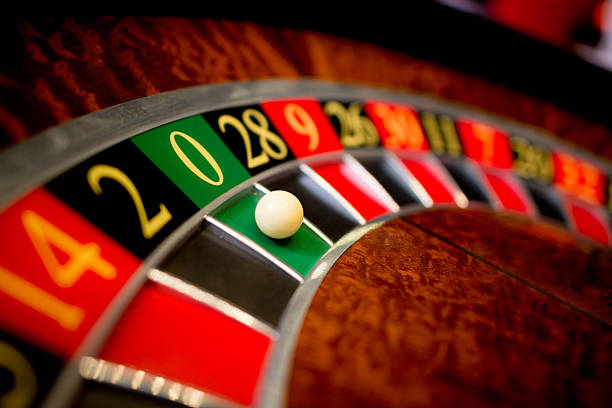
Another common bias is the «illusion of control,» where players believe they can influence the outcome of a game through skill or strategy, even in games predominantly based on chance. For example, many roulette players might feel that their choice of numbers or betting patterns can sway the outcome, despite the game being entirely random. This sense of control can lead to longer play sessions and more significant financial stakes, as players chase the feeling of influence over outcomes. The desire to feel in command of their fate can blind individuals to the reality of the games they are playing.

Lastly, the «confirmation bias» can further entrench behaviors associated with gambling. Players often focus on past wins and favorable experiences, ignoring losses and negative outcomes that might suggest a need for moderation. By selectively recalling positive experiences and filtering out negative ones, the individual justifies continued participation in casino games. This cognitive distortion can lead to a cycle where the desire to win overrides logical decision-making, trapping individuals in patterns of behavior that lead to financial and emotional distress. The tendency to remember wins more vividly than losses creates a skewed perception that can sustain gambling habits even in the face of adversity.
The Emotional Rollercoaster of Gambling
Engaging in casino games often evokes a broad spectrum of emotions, from immense joy during a win to deep despair after a loss. Understanding the emotional rollercoaster that players experience is key to grasping the psychology of gambling. Winning, even if it is a small amount, releases dopamine in the brain, creating feelings of pleasure and reinforcing the desire to continue playing. This biochemical process can make players feel good in the moment, often leading to a desire to replicate those feelings by chasing further wins. The thrill of a jackpot can feel intoxicating, prompting players to seek out the next game in hopes of a similar reward.
Conversely, the disappointment and frustration that accompany losses can lead to a phenomenon known as the «sunk cost fallacy.» Players may feel compelled to chase their losses, believing that if they keep playing, they might eventually win back what they have lost. This emotional response can be quite damaging, as individuals may pour more money into the casino in a desperate attempt to relieve the emotional pain associated with losing. Such actions often lead to a downward spiral, where the pursuit of winning becomes increasingly desperate and financially burdensome.
Moreover, the social dynamics present in casino environments can amplify emotional experiences. Players often share their highs and lows with others, fostering camaraderie and collective excitement. Group play can enhance emotions; cheering for a big win or commiserating over losses strengthens the social bond among players. However, this social aspect can also lead to peer pressure, encouraging individuals to gamble beyond their means to fit in or contribute to the group’s excitement. The collective thrill can create an illusion of safety in numbers, making it easier for individuals to justify their gambling behavior even when it becomes problematic.
The Influence of Environment and Design
The design and atmosphere of a casino play a crucial role in influencing player behavior and psychology. Casinos are meticulously designed to create a sense of comfort and encouragement to gamble. From the layout to the decor, every element of a casino aims to draw players in and keep them engaged for as long as possible. This is achieved through a blend of strategic lighting, soundscapes, and even temperature control, all aimed at fostering an immersive environment that reduces the likelihood of players wanting to leave. The sensory overload can heighten the excitement and make it challenging for players to step away.
Additionally, the absence of clocks and windows in casinos is a deliberate tactic to obscure players’ awareness of time. By removing external markers of time, players lose track of how long they have been gambling, which can lead to extended gambling sessions. This manipulation of the environment heightens the chances of impulsive gambling, allowing players to focus solely on the game at hand rather than their financial limits or personal responsibilities. The design creates an almost dreamlike state where time becomes irrelevant, further entrenching players in the experience.
Furthermore, the placement of slot machines and table games strategically encourages spontaneous gambling. The close proximity of various games tempts players to try different options, often leading to unplanned bets and increased spending. Promotions such as free drinks or loyalty programs also serve to incentivize continued play, creating a psychological attachment to the casino experience that can be challenging to break for many gamblers. The careful orchestration of the casino environment keeps players engaged, often leading them to overlook their initial intentions and budgets.
Understanding Responsible Gaming and Resources
While the allure and psychology behind casino games can be engaging, it is crucial to address the importance of responsible gaming. Understanding oneself and recognizing the signs of problematic gambling behavior is vital for maintaining a healthy relationship with casino games. Players should approach gambling with a clear mindset, setting boundaries regarding time and monetary investment. This level of self-awareness can mitigate the risks associated with excessive gambling and help foster a balanced approach to gaming activities, ensuring that the fun remains intact without spiraling into addiction.
There are numerous resources available for players who may find themselves struggling with gambling-related issues. Organizations that specialize in responsible gambling offer support and educational materials aimed at promoting healthier gaming habits. These resources can provide essential information about recognizing signs of gambling addiction, understanding the nature of risk, and implementing strategies for safer gaming practices. Access to these resources empowers players to make informed decisions and seek help if needed.
Ultimately, casinos and their games can be a source of entertainment and excitement for many, but awareness of the psychological and emotional factors at play can enhance understanding and responsible participation. By recognizing the dynamics of gambling, players can navigate the captivating world of casino games while prioritizing their well-being and financial security. Engaging with resources and communities that advocate for responsible gaming can further empower individuals to enjoy casino gaming in a manner that is both enjoyable and sustainable. It is essential to strike a balance that allows for enjoyment without compromising personal integrity or financial health.